Workshop: “New Heritage: Circular Fashion Solutions to Reduce Microplastic Pollution” within the MISSION4WATER Project 11.06.2026
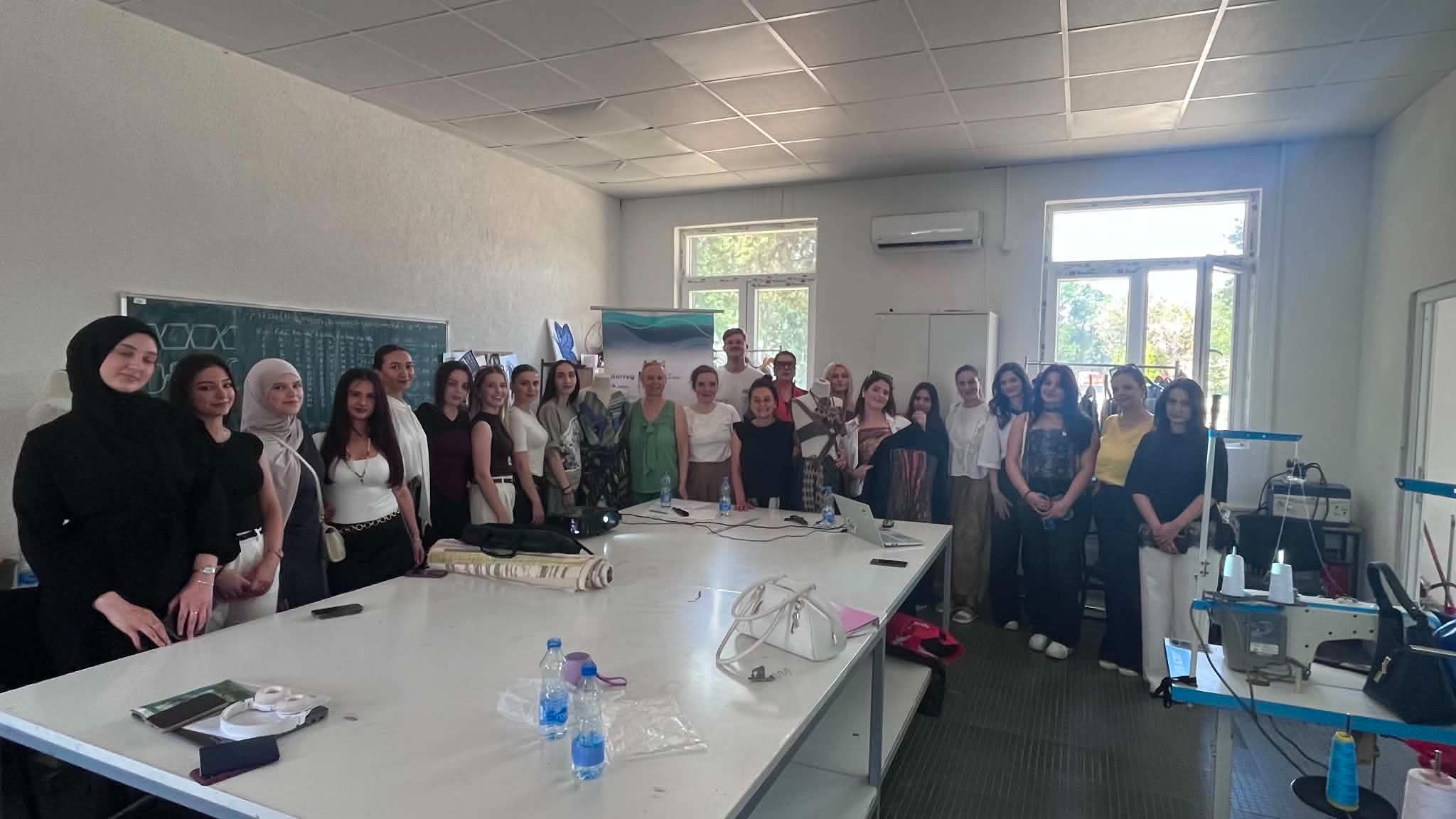
On 11 June 2026, the Textile Trade Association – Textile Cluster, in cooperation with Mother Teresa University in Skopje, successfully implemented the workshop “New Heritage: Circular Fashion Solutions to Reduce Microplastic Pollution”, held at the premises of the University within the framework of the European project MISSION4WATER, funded through the INTERREG IPA ADRION programme.
The event brought together students, academic staff, experts, and project partner organizations from the region with the aim of raising awareness about the impact of the textile industry on the environment, particularly regarding water pollution caused by microplastics, as well as exploring opportunities for the implementation of innovative and sustainable solutions.
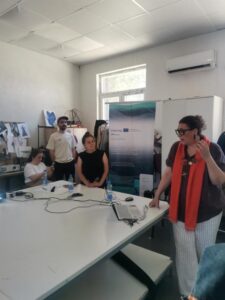
The workshop was opened by Assoc. Prof. Dr. Olga Popovska, Dean of the Faculty of Technological Sciences at Mother Teresa University, and Natasha Sivevska, Executive Director of the Textile Cluster, who presented the objectives and activities of the MISSION4WATER project and highlighted the importance of cooperation between industry, academia, and young people in creating a more sustainable future.
As part of the programme, Assoc. Prof. MA Nevenka Todorovska from Mother Teresa University presented the topic “Ethical and Environmental Dimensions of Modern Fashion”, focusing on the impact of contemporary fashion on natural resources, society, and the environment. The presentation addressed the challenges related to fast fashion, excessive consumption, and textile waste, while also highlighting the opportunities offered by sustainable and slow fashion, circular economy principles, and responsible production.
Assoc. Prof. Dr. Olga Popovska presented the topic “Microplastics from Synthetic Textiles and Their Impact on Wastewater and Human Health”, explaining that synthetic textiles such as polyester, nylon, acrylic, and elastane can release microplastic fibres during production, use, and washing of garments, polluting the rivers, lakes, and marine ecosystems through wastewater.
Assoc. Prof. Dr. Marjana Kostočinoska Uzunčeva presented the topic “Recycling Textile Waste and Creating Artwork”, demonstrating how textile waste can be transformed into new value through creativity and design. Students were introduced to different types of textures and possibilities for reusing textile materials, with waste being presented as a resource for creating new aesthetic and functional solutions. Reducing the waste and using the natural fibers materials are directly connected with reduction of microplastic in to the water.
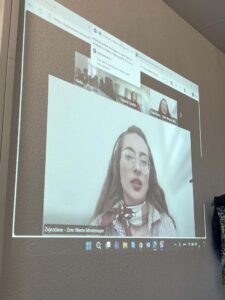
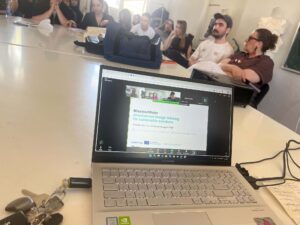
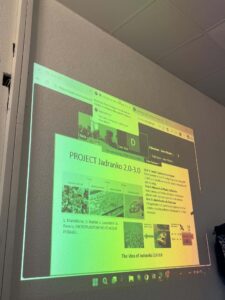
The event was enriched by presentations from the international project partners. Assist. Prof. Tomislav Čapuder from the University of Zagreb presented the application of artificial intelligence and design thinking in the development of sustainable solutions. Assoc. Prof. Dr. Tatjana Spahiu Kosova from the Polytechnic University of Tirana presented the latest trends, materials, and innovations in the field of sustainable textiles. Zvjezdana Gvozdenović from Zero Waste Montenegro addressed the risks that microplastics pose to human health and possible solutions for reducing them, while Prof. Deni Vale from the Istrian University of Applied Sciences in Pula presented the autonomous vessel “Jadranko 2.0”, designed for microplastic sampling and monitoring in aquatic ecosystems.
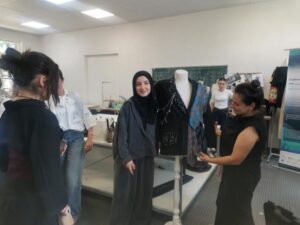
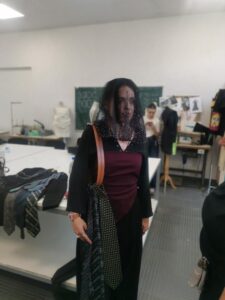
In the afternoon, the interactive workshop “New Heritage”, led by Assoc. Prof. MA Nevenka Todorovska, was held, creatively connecting sustainable fashion, personal heritage, and contemporary design. The main theme of the workshop was “New Heritage”, and students were asked to bring a tie that represented a part of their family heritage. Each tie carried its own story, and students researched the materials from which it was made, its brand, design, and the period of origin.
During the creative part of the workshop, students developed three fashion sketches inspired by their personal heritage, waste reduction and contemporary fashion. Afterwards, each student selected one sketch and transformed it into a new sustainable design through the process of cutting and sewing, creating contemporary pieces made of textile waste and natural materials, lowering microplastic release. Through this activity, the MISSION4WATER project once again confirmed the importance of connecting education, science, and industry in developing innovative solutions for reducing pollution, protecting water resources, and promoting sustainable practices in the textile sector.
The event brought together students, academic staff, experts, and project partner organizations from the region with the aim of raising awareness about the impact of the textile industry on the environment, particularly regarding water pollution caused by microplastics, as well as exploring opportunities for the implementation of innovative and sustainable solutions.
The workshop was opened by Assoc. Prof. Dr. Olga Popovska, Dean of the Faculty of Technological Sciences at Mother Teresa University, and Natasha Sivevska, Executive Director of the Textile Cluster, who presented the objectives and activities of the MISSION4WATER project and highlighted the importance of cooperation between industry, academia, and young people in creating a more sustainable future.
As part of the programme, Assoc. Prof. MA Nevenka Todorovska from Mother Teresa University presented the topic “Ethical and Environmental Dimensions of Modern Fashion”, focusing on the impact of contemporary fashion on natural resources, society, and the environment. The presentation addressed the challenges related to fast fashion, excessive consumption, and textile waste, while also highlighting the opportunities offered by sustainable and slow fashion, circular economy principles, and responsible production.
Assoc. Prof. Dr. Olga Popovska presented the topic “Microplastics from Synthetic Textiles and Their Impact on Wastewater and Human Health”, explaining that synthetic textiles such as polyester, nylon, acrylic, and elastane can release microplastic fibres during production, use, and washing of garments, polluting the rivers, lakes, and marine ecosystems through wastewater.
Assoc. Prof. Dr. Marjana Kostočinoska Uzunčeva presented the topic “Recycling Textile Waste and Creating Artwork”, demonstrating how textile waste can be transformed into new value through creativity and design. Students were introduced to different types of textures and possibilities for reusing textile materials, with waste being presented as a resource for creating new aesthetic and functional solutions. Reducing the waste and using the natural fibers materials are directly connected with reduction of microplastic in to the water.
The event was enriched by presentations from the international project partners. Assist. Prof. Tomislav Čapuder from the University of Zagreb presented the application of artificial intelligence and design thinking in the development of sustainable solutions. Assoc. Prof. Dr. Tatjana Spahiu Kosova from the Polytechnic University of Tirana presented the latest trends, materials, and innovations in the field of sustainable textiles. Zvjezdana Gvozdenović from Zero Waste Montenegro addressed the risks that microplastics pose to human health and possible solutions for reducing them, while Prof. Deni Vale from the Istrian University of Applied Sciences in Pula presented the autonomous vessel “Jadranko 2.0”, designed for microplastic sampling and monitoring in aquatic ecosystems.
In the afternoon, the interactive workshop “New Heritage”, led by Assoc. Prof. MA Nevenka Todorovska, was held, creatively connecting sustainable fashion, personal heritage, and contemporary design. The main theme of the workshop was “New Heritage”, and students were asked to bring a tie that represented a part of their family heritage. Each tie carried its own story, and students researched the materials from which it was made, its brand, design, and the period of origin.
During the creative part of the workshop, students developed three fashion sketches inspired by their personal heritage, waste reduction and contemporary fashion. Afterwards, each student selected one sketch and transformed it into a new sustainable design through the process of cutting and sewing, creating contemporary pieces made of textile waste and natural materials, lowering microplastic release. Through this activity, the MISSION4WATER project once again confirmed the importance of connecting education, science, and industry in developing innovative solutions for reducing pollution, protecting water resources, and promoting sustainable practices in the textile sector.