Workshop: “Responsible Contracting – Building Stronger Partnerships in Supply Chains”
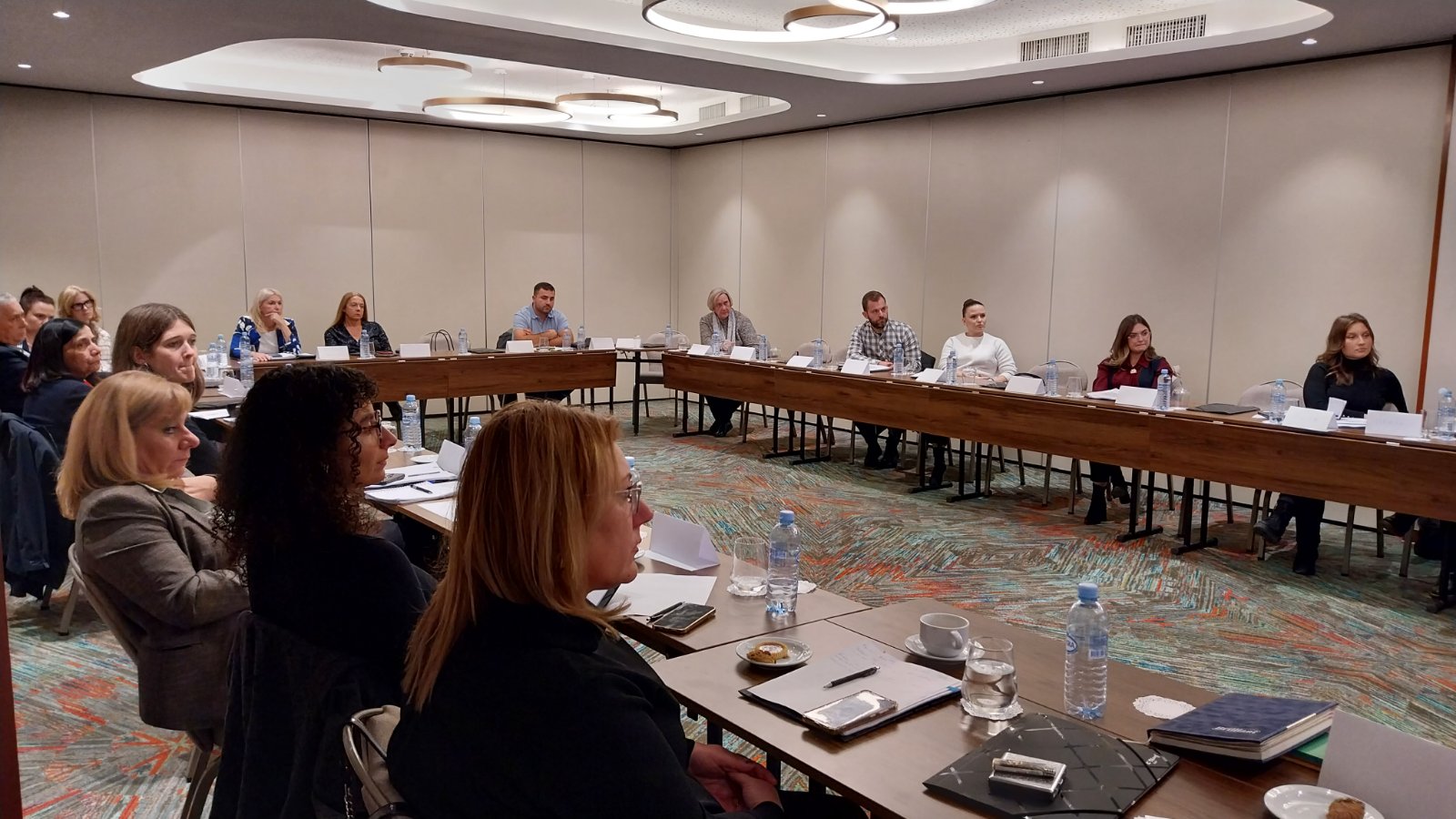
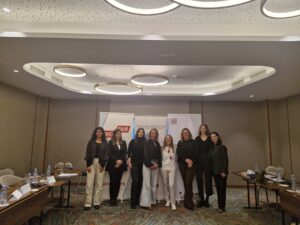
On October 7, 2025, the workshop “Responsible Contracting – Building Stronger Partnerships in Supply Chains” was held at the Holiday Inn Hotel in Skopje, organised by Fair Wear in collaboration with the Textile Trade Association – Textile Cluster.
The event was intended for representatives of business organisations and management teams from Macedonian companies in the textile, leather, and footwear industries, especially those actively engaged in partnership negotiations with their clients—Fair Wear member brands—as well as other international brands.
The workshop aimed to introduce Macedonian factories to the concept of Responsible Contracting and the Human Rights Due Diligence (HRDD) Framework, in the context of the new EU directive CSDDD. This directive primarily lays down requirements for EU brands/buyers (companies that engage suppliers) to conduct due diligence on human rights and the environment, which is reflected in their contracts with suppliers. The workshop explained why contracts are critical for protecting human rights and the environment, and how companies can transition from traditional to responsible contract clauses to ensure equitable accountability in negotiations. Participants were also introduced to new model clauses developed under the Responsible Business Project (RBP) in collaboration with GIZ, which enable suppliers to establish more responsible and sustainable business relationships with their partners.
The event began with an introductory presentation by Ms Marijana Perkovska, President of the Textile Cluster, who spoke on the topic “State of the Textile and Garment Sector – Export Potential and Opportunities,” summarising current sector conditions based on the latest statistical data. Additionally, Perkovska presented the projects VERDEinMED (Interreg Euro-MED) and Mission4Water (Interreg ADRION), in which the Textile Cluster participates as a representative of North Macedonia, aiming to strengthen international cooperation and better integrate the Macedonian textile industry into European networks.
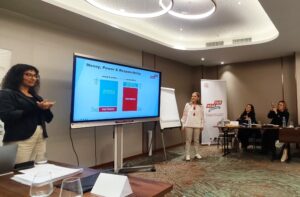
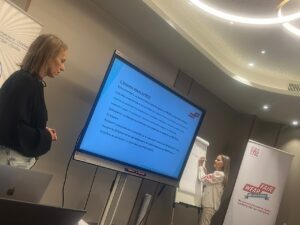
Following this, Fair Wear representatives presented the organisation’s mission, goals, and methodology, focused on improving working conditions in global supply chains and promoting corporate responsibility. Through examples, the Fair Wear team demonstrated the approach to responsible contracting and the principle of shared responsibility.
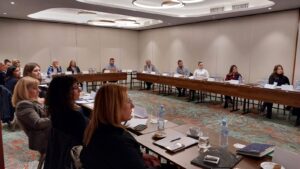
An interactive session followed, during which participants shared their experiences and reflections on current contracting practices with foreign clients, challenges in applying responsible contracting, and possible solutions for creating more equitable partnerships. The discussion proved especially fruitful, with concrete examples and insights that sparked ideas for improving communication, transparency, and mutual trust between companies and their buyers.
The workshop marked a significant step toward raising awareness about the importance of responsible contracting and strengthening the position of Macedonian companies in international supply chains.
The Textile Cluster and Fair Wear continue to advance collaboration with companies and promote responsible business practices based on respect for human rights, fair negotiations, and mutual accountability.
The event was intended for representatives of business organisations and management teams from Macedonian companies in the textile, leather, and footwear industries, especially those actively engaged in partnership negotiations with their clients—Fair Wear member brands—as well as other international brands.
The workshop aimed to introduce Macedonian factories to the concept of Responsible Contracting and the Human Rights Due Diligence (HRDD) Framework, in the context of the new EU directive CSDDD. This directive primarily lays down requirements for EU brands/buyers (companies that engage suppliers) to conduct due diligence on human rights and the environment, which is reflected in their contracts with suppliers. The workshop explained why contracts are critical for protecting human rights and the environment, and how companies can transition from traditional to responsible contract clauses to ensure equitable accountability in negotiations. Participants were also introduced to new model clauses developed under the Responsible Business Project (RBP) in collaboration with GIZ, which enable suppliers to establish more responsible and sustainable business relationships with their partners.
The event began with an introductory presentation by Ms Marijana Perkovska, President of the Textile Cluster, who spoke on the topic “State of the Textile and Garment Sector – Export Potential and Opportunities,” summarising current sector conditions based on the latest statistical data. Additionally, Perkovska presented the projects VERDEinMED (Interreg Euro-MED) and Mission4Water (Interreg ADRION), in which the Textile Cluster participates as a representative of North Macedonia, aiming to strengthen international cooperation and better integrate the Macedonian textile industry into European networks.
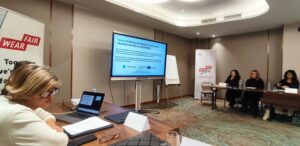
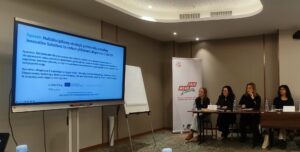
Following this, Fair Wear representatives presented the organisation’s mission, goals, and methodology, focused on improving working conditions in global supply chains and promoting corporate responsibility. Through examples, the Fair Wear team demonstrated the approach to responsible contracting and the principle of shared responsibility.
An interactive session followed, during which participants shared their experiences and reflections on current contracting practices with foreign clients, challenges in applying responsible contracting, and possible solutions for creating more equitable partnerships. The discussion proved especially fruitful, with concrete examples and insights that sparked ideas for improving communication, transparency, and mutual trust between companies and their buyers.
The workshop marked a significant step toward raising awareness about the importance of responsible contracting and strengthening the position of Macedonian companies in international supply chains.
The Textile Cluster and Fair Wear continue to advance collaboration with companies and promote responsible business practices based on respect for human rights, fair negotiations, and mutual accountability.